10 Engaging Screen-Free Rainy Day Activities for Kids (That Keep Boredom at Bay)
10 Engaging Screen-Free Rainy Day Activities for Kids (That Keep Boredom at Bay)
When dark rain clouds roll in and outdoor playtime gets rained out, it is easy to default to screens. Tablets, television shows, and video games offer a quick fix for childhood boredom, but they often leave kids feeling overstimulated and irritable by the end of the afternoon.
As parents, educators, and caregivers, we know that unstructured, hands-on play is vital for early childhood development. Rainy days offer a wonderful opportunity to reset, tap into imagination, and build essential cognitive and physical skills—all without powering up a single screen.
At Draw Nice and Easy, we believe that creativity starts with simple, accessible tools. Here are 10 engaging, screen-free rainy day activities that will keep your children happily occupied, learning, and thriving indoors.
1. Dive into Printable Coloring Pages and Creative Drawing
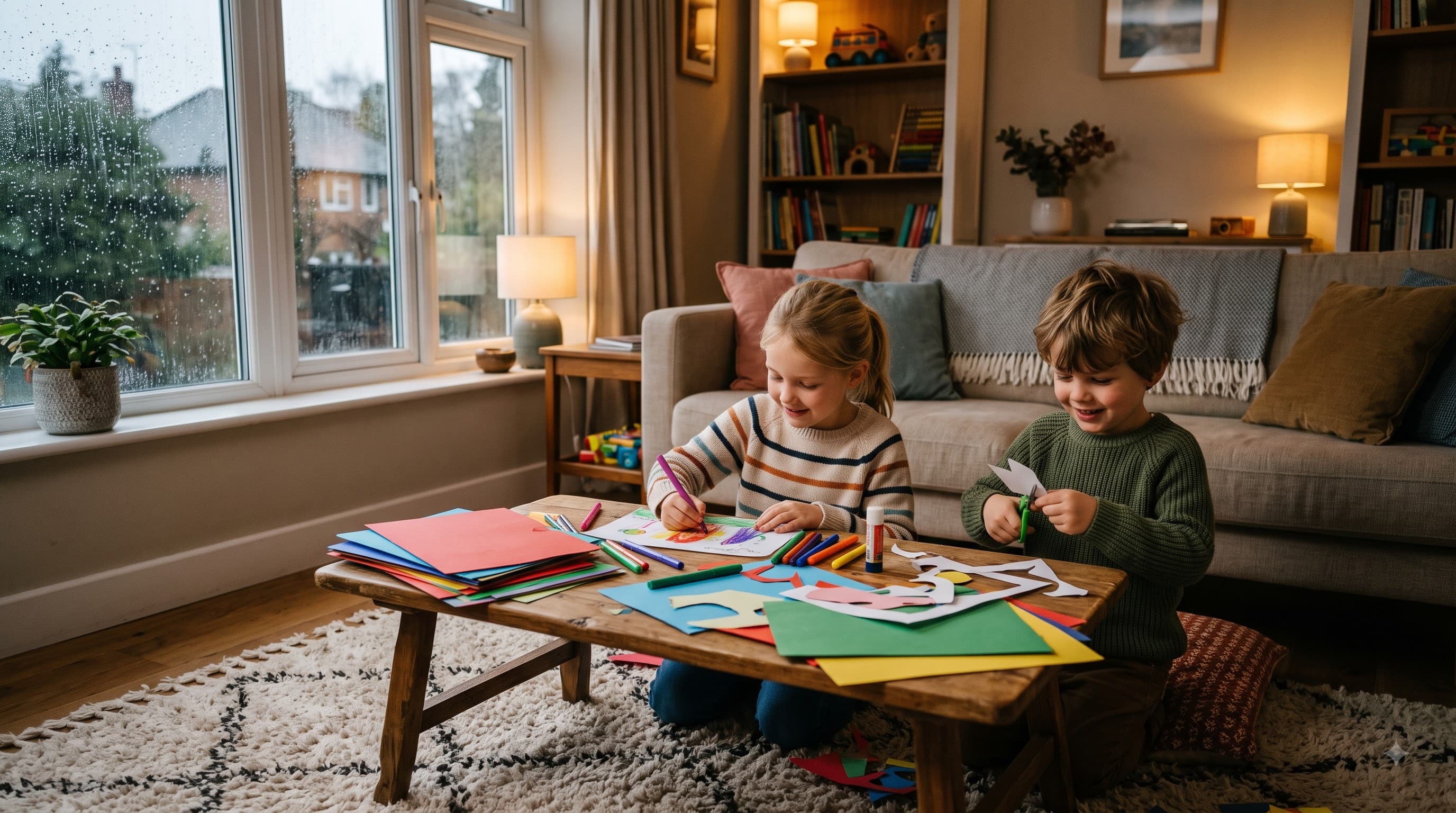
Coloring is far more than just a quiet pass-time—it is a powerhouse activity for child development! Sitting down with a stack of fresh, high-quality printable coloring pages helps young learners refine their fine motor skills, strengthen pencil grip, and practice spatial awareness.
Why it works:
- Boosts Focus: Completing an illustration encourages concentration and task completion.
- Encourages Self-Expression: Choosing color palettes allows children to make autonomous artistic choices.
- Relieves Stress: The rhythmic movement of coloring helps calm anxious or restless energy on gloomy days.
Pro-tip: Visit our Draw Nice and Easy collection to print themed worksheets, simple animal line art, and step-by-step drawing guides suited for toddlers to pre-teens!
2. Build a Living Room Blanket Fort & Story Nook
Transform your living room into an enchanted hideaway using couch cushions, dining chairs, and lightweight blankets. Building a fort is an early engineering exercise that challenges kids to think about balance, weight distribution, and structure.
Once the fort is built:
- Fill the interior with plush pillows and cozy blankets.
- Bring in a basket of picture books or early reader stories.
- Hand your child a flashlight for a cozy, dark-lit reading session inside their custom lair.
3. Host a Kitchen Chemistry Playdough Workshop
Making homemade playdough is a simple, non-toxic art project that combines early STEM learning with rich sensory integration. The tactile nature of squeezing, rolling, and shaping dough strengthens intrinsic hand muscles needed for handwriting.
Easy 5-Minute Playdough Recipe:
- 2 cups all-purpose flour
- 1/2 cup salt
- 2 tablespoons cream of tartar
- 2 tablespoons vegetable oil
- 1.5 cups boiling water
- Food coloring or natural extracts (like vanilla or peppermint)
Mix the ingredients together until smooth, let cool, and hand out cookie cutters, rolling pins, and plastic tools for hours of tactile exploration.
4. Set Up an Indoor Scavenger Hunt
Keep young minds active and sharp by designing a thematic indoor treasure hunt. You can create picture-based clues for toddlers or written riddles for older kids.
Scavenger Hunt Ideas:
- Color Hunt: Find 5 items around the house for every color of the rainbow.
- Texture Hunt: Collect something fuzzy, something smooth, something cold, and something rough.
- Alphabet Hunt: Search for objects that begin with every letter from A to Z.
This activity promotes critical thinking, visual discrimination, and active problem-solving skills.
5. Craft an Energy-Burning Indoor Obstacle Course
When kids cannot run around in the yard, gross motor play must move indoors. Prevent high energy from turning into chaos by directing it into an intentional physical game.
Use painter's tape, throw pillows, and furniture to create a safe course:
- Tape Lines: Walk tightrope-style along a blue line on the rug.
- Pillow Hopping: Jump from cushion to cushion without touching the floor "lava."
- Tunnel Crawl: Crawl under a row of dining chairs.
- Target Toss: Toss rolled-up socks into a laundry basket from varying distances.
6. Create a Recycled Art & Cardboard Box Station
Don't throw away those leftover shipping boxes and cereal containers! Cardboard is the ultimate open-ended art material. Giving children open access to recyclable items fosters divergent thinking and creative resourcefulness.
Provide your little artists with:
- Safety scissors and washable glue or masking tape
- Markers, crayons, and leftover paint sets
- Googly eyes, craft sticks, and yarn scrap
Watch as a humble cardboard box transforms into a space rocket, a dollhouse, or a race car track!
7. Stage a Living Room Dramatic Theater Show
Encourage dramatic play by inviting your children to put on a theater performance, puppet show, or dance recital. Acting out stories nurtures empathy, language development, and emotional intelligence.
How to set the stage:
- Pull out old clothes, hats, and scarves for a dress-up box.
- Have kids write a basic script or adapt a favorite fairy tale.
- Turn off the main lights and use floor lamps as spotlights.
- Record the final performance or sit back and applaud as the live audience!
8. Explore Rainy Day Sensory Bins
Sensory bins are structured, self-contained play spaces that keep toddlers and preschoolers immersed for long stretches. They build visual-spatial processing and tactile processing.
Quick Sensory Bin Themes:
- Rice & Construction: Fill a plastic tub with dry rice, small toy dump trucks, measuring cups, and scoops.
- Water Play & Toy Wash: Fill a shallow dish with warm soapy water and give kids sponges and old toothbrushes to wash plastic animal figures.
9. Gather for Classic Board Games and Card Games
Rainy days are tailor-made for classic family tabletop gaming. Board games teach critical life lessons like impulse control, rule-following, strategy, and sportsmanship.
- For Preschoolers: Candyland, Chutes and Ladders, or simple memory matching games.
- For Early Elementary: Uno, Connect 4, Go Fish, or Checkers.
- For Older Kids: Scrabble, Monopoly Junior, or introductory strategy games.
10. Start a Collaborative Family Storybook
Combine literacy and art skills into one memorable family keepsake. Grab a blank notebook or staple several sheets of printer paper together to create a custom book.
- Take turns dictating or writing a story sentence by sentence.
- Have kids draw and color matching illustrations for each page using their favorite art supplies.
- Read the completed original story aloud together before bedtime.
Summary: Making the Most of Rainy Days
Rainy days do not have to mean endless screen time or restless children. By pivoting toward creative, hands-on alternatives like printable coloring pages, indoor obstacle courses, and recycled crafts, you convert a gloomy day into an enriching learning experience. These activities build fine motor dexterity, foster imaginative problem-solving, and create warm family memories that last long after the rain stops.
Ready to start your indoor creative adventure? Explore our wide selection of free, easy-to-print coloring sheets and art activities right here on Draw Nice and Easy!
Explore Coloring Categories
Trending Printable Coloring Sheets
Our most popular free coloring pages ready for instant download.
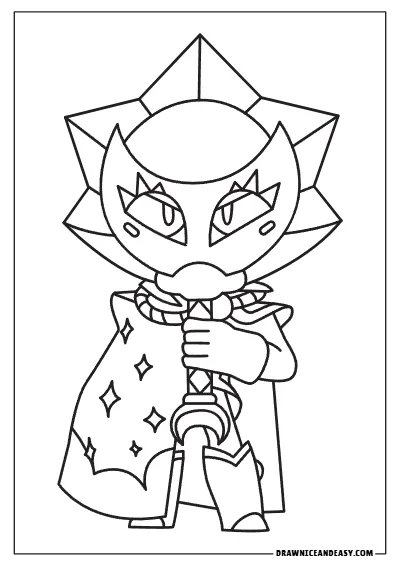
Sirius Brawl Stars Coloring Page – Free PDF
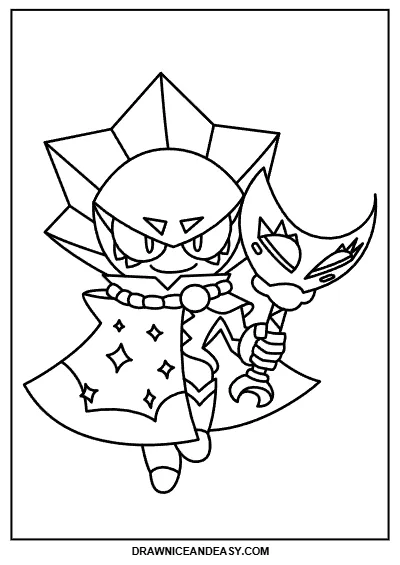
Sirius Brawl Stars Pose Coloring Page – Free PDF
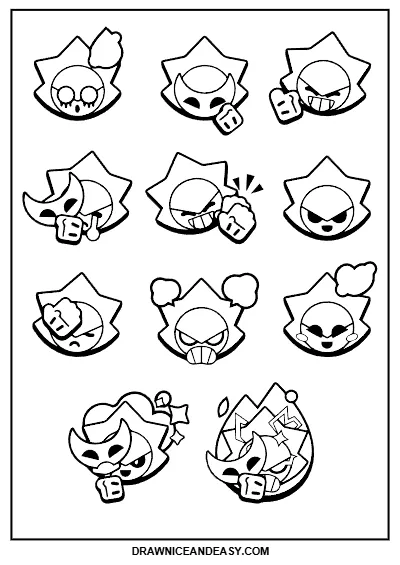
Sirius Pins Brawl Stars Coloring Page – Free PDF
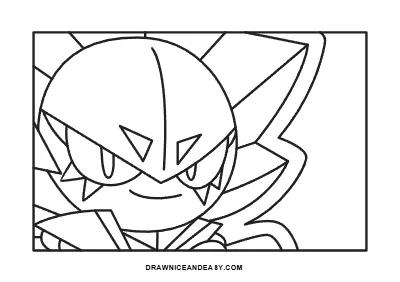
Sirius Icon Brawl Stars Coloring Page – Free PDF
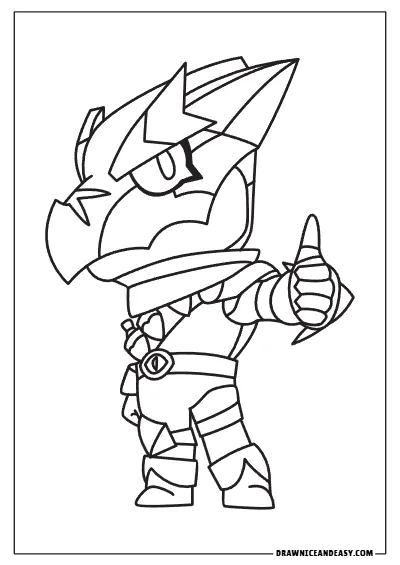
Dragon Crow Brawl stars Coloring Page – Free PDF
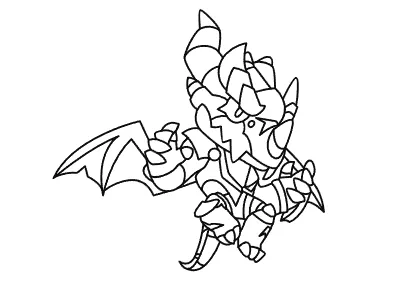
Dragonkin Crow Brawl Stars Coloring Page – Free PDF
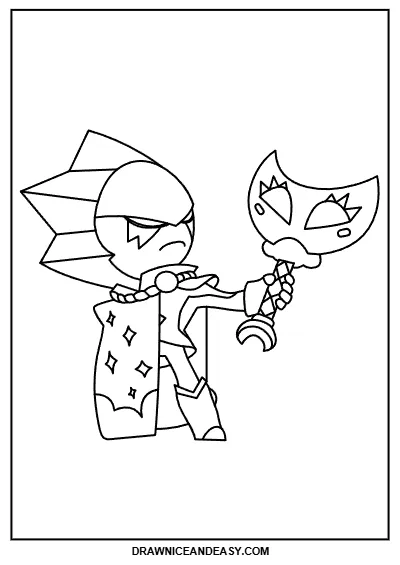
Sad Sirius Brawl Stars Coloring Page – Free PDF
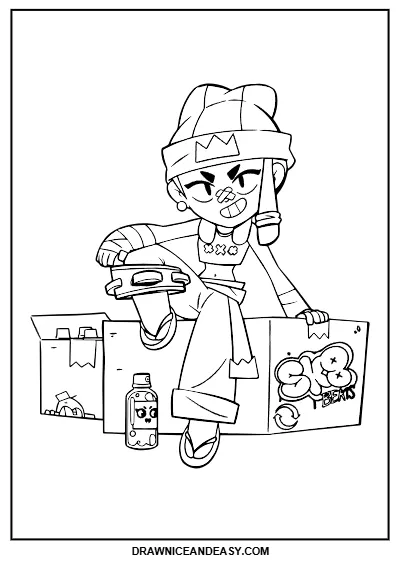
Mina Sitting On Box Brawl Stars Coloring Page – Free PDF

USA 250 Bold Anniversary Numbers Coloring Page – Free PDF
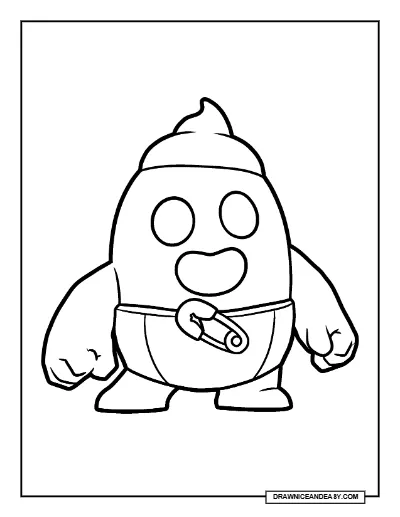
Poop Spike Brawl Stars Coloring Page – Free PDF
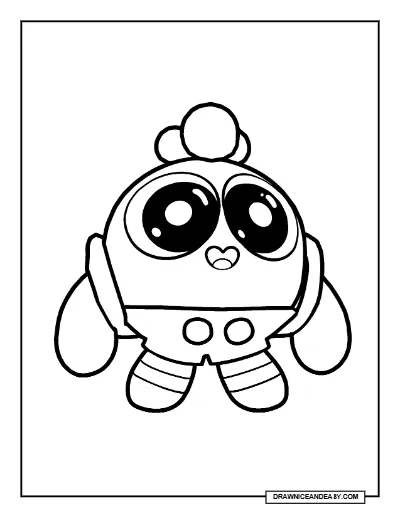
Toon Spike Brawl Stars Coloring Page – Free PDF