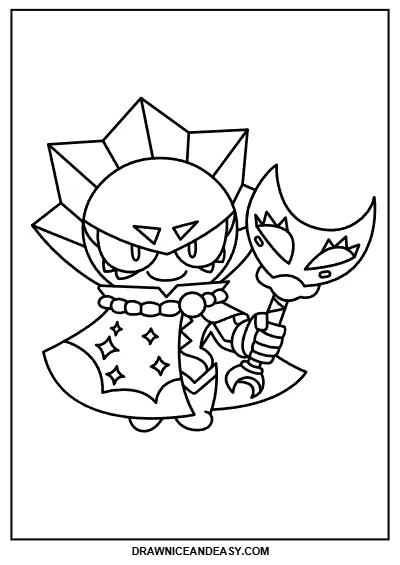
Coloring Inside the Lines: When Do Children Usually Master This Skill?
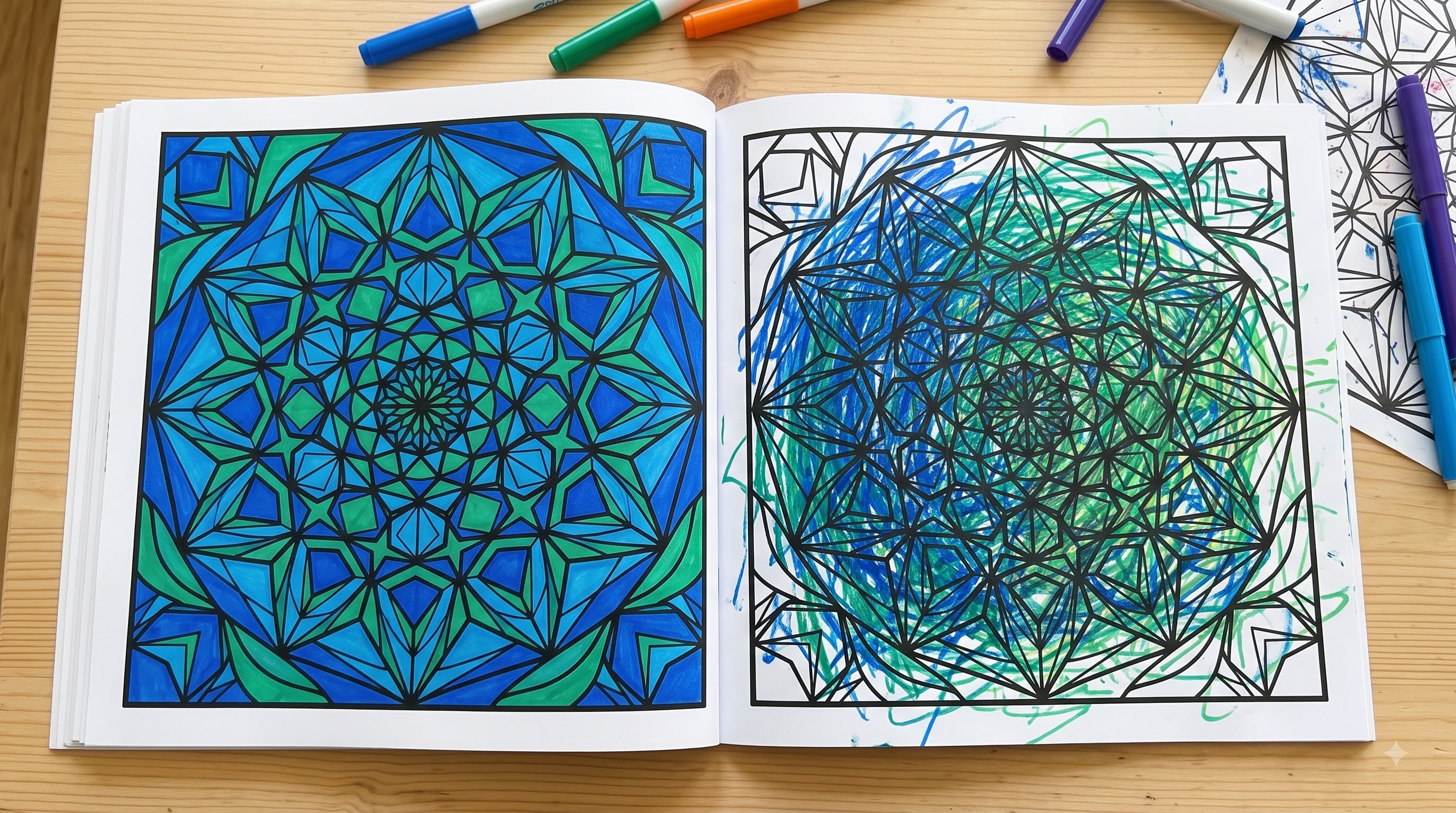
Coloring Inside the Lines: When Do Children Usually Master This Skill?
As parents, caregivers, and educators, watching a child pick up a bright crayon and press it to a fresh sheet of paper is pure joy. In the early years, those artistic endeavors usually result in bold, chaotic scribbles that extend far past the page and onto the kitchen table. But over time, you will notice a fascinating transformation: those wild strokes gradually transform into deliberate, controlled movements.
One of the most frequently asked questions in early childhood development is: When do children usually learn to color inside the lines?
While every child develops at their own unique pace, mastering this skill relies on complex physical and cognitive milestones. In this article, we will break down the developmental timeline, explore the motor skills behind coloring precision, and share stress-free ways to foster your child’s creative journey using engaging printable activities.
The Developmental Timeline: Age by Age
Coloring inside the lines isn't just about understanding boundaries—it requires fine motor strength, visual-motor integration, and hand-eye coordination. Here is what you can typically expect at each stage of early childhood:
Ages 1 to 2 Years: The Scribbling Phase
At this stage, art is all about sensory exploration and cause-and-effect. Toddlers hold crayons with a full fist (known as the palmar grasp) and use their entire arm—starting from the shoulder—to make broad, energetic marks across the page.
- Line Control: Non-existent (and that is completely normal!).
- Grasp: Palmar grasp (fist grip).
- Focus: Movement, noise, and visual discovery.
Ages 2 to 3 Years: Emerging Control and Boundary Awareness
Around age two or three, children transition from arm movements to wrist movements. They begin to understand that paper has boundaries, and they may start making horizontal, vertical, or circular lines on purpose.
- Line Control: Can make deliberate shapes (circles, crosses) but still color far outside defined borders.
- Grasp: Transiton to a digital pronate grasp (fingers pointing down toward the crayon tip).
- Focus: Connecting visual goals with hand movements.
Ages 3 to 4 Years: The "Near Miss" Stage
By preschool, children develop greater control over their fingers and wrist muscles. They begin to intentionally keep their crayons within large visual boundaries. While they might still spill over the edges frequently, you will notice them attempting to stop their stroke when they reach a line.
- Line Control: Stay mostly inside very large, simple shapes with thick outlines.
- Grasp: Early tripod grip (holding the crayon with thumb, index, and middle finger).
- Focus: Trying to keep colors within designated sections on high-contrast printable coloring pages.
Ages 5 to 6 Years: Mastery and Precision
Most children master the ability to stay inside the lines consistently between the ages of 5 and 6 (typically around Kindergarten or early First Grade). At this stage, hand muscles have matured, hand-eye coordination is strong, and visual perception allows them to judge spatial distances accurately.
- Line Control: High precision, even inside smaller, detailed spaces.
- Grasp: Mature dynamic tripod grip (precise control using the fingertips).
- Focus: Color selection, shading, and staying neatly within complex boundaries.
Essential Skills Needed to Color Inside the Lines
Staying within the lines seems simple to adults, but for young children, it is a multi-step neurological and physical task. Here are the core skills at work:
- Fine Motor Control: The small muscles in the hand and fingers must be strong enough to guide the crayon accurately.
- Hand-Eye Coordination: The brain must process visual information from the eye and translate it into precise hand movements.
- Spatial Awareness: Children need to perceive depth, boundaries, and spatial relations to know where a line starts and ends.
- Bilateral Coordination: Using one hand to hold the crayon while using the non-dominant hand to stabilize the paper is crucial for controlled coloring.
How to Help Your Child Develop Fine Motor Skills
If you want to support your child's journey toward controlled coloring, the best approach is play-based and low-pressure. Here are practical ways to build their confidence and strength:
1. Start with Bold, Thick-Lined Pages
When children transition from scribbling to structured coloring, intricate designs can feel overwhelming. Choose printable coloring pages specifically designed for young beginners. Pages featuring simple, bold outlines—such as big fruits, cute animals, or basic geometric shapes—give children a manageable boundary to practice with.
2. Use Smaller Crayons or Broken Crayons
Counterintuitively, smaller tools are easier for small hands to control! Giving a child a small or broken crayon naturally encourages them to drop the fist grip and adopt a mature tripod grasp, strengthening the intrinsic muscles of the hand.
3. Incorporate Multi-Sensory Pre-Writing Activities
Coloring precision improves when overall hand strength increases. Encourage activities like:
- Playing with playdough (rolling, squeezing, pinching)
- Using safety scissors to cut paper strips
- Threading large beads onto string
- Peeling and sticking fun stickers onto paper
4. Try Vertical Surfaces
Taping printable activities to an easel or wall forces your child to extend their wrist and engage their arm and core muscles. This posture improves hand stability and control when coloring.
Remember: Creativity Over Perfection!
While mastering line boundaries is an important developmental milestone for writing readiness, it shouldn't come at the cost of creative expression. Wild scribbles and unconventional color choices are vital stages of self-expression.
Encourage your young artist by praising their effort rather than their neatness. Comments like "I love how bright and happy your colors are!" build enthusiasm far more effectively than "Try not to go outside the lines."
Final Thoughts
Mastering the art of coloring inside the lines is a process that unfolds naturally between the ages of 3 and 6. By providing age-appropriate tools, fun fine motor activities, and plenty of simple, bold printable coloring pages, you give your child the perfect foundation to develop hand strength and confidence at their own pace.
Looking for easy, high-quality coloring sheets designed to support early development? Explore our collection of free printable activities today and watch your little artist blossom stroke by stroke!
Explore Coloring Categories
Trending Printable Coloring Sheets
Our most popular free coloring pages ready for instant download.
Sirius Brawl Stars Coloring Page – Free PDF
Sirius Brawl Stars Pose Coloring Page – Free PDF
Sirius Pins Brawl Stars Coloring Page – Free PDF
Sirius Icon Brawl Stars Coloring Page – Free PDF
Dragon Crow Brawl stars Coloring Page – Free PDF
Dragonkin Crow Brawl Stars Coloring Page – Free PDF
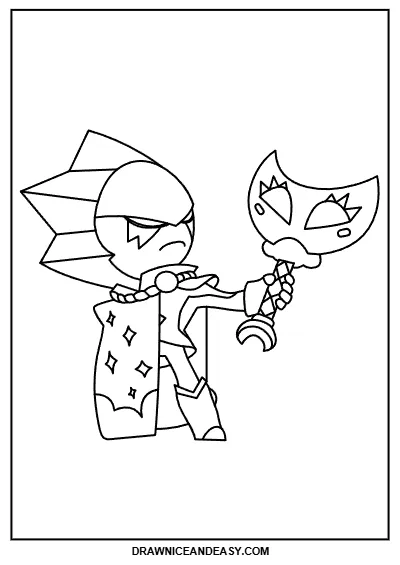
Sad Sirius Brawl Stars Coloring Page – Free PDF
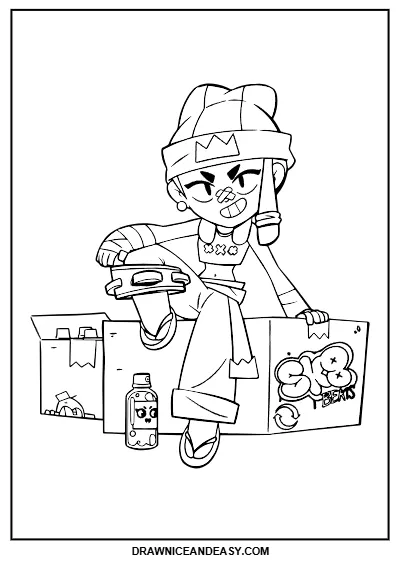
Mina Sitting On Box Brawl Stars Coloring Page – Free PDF
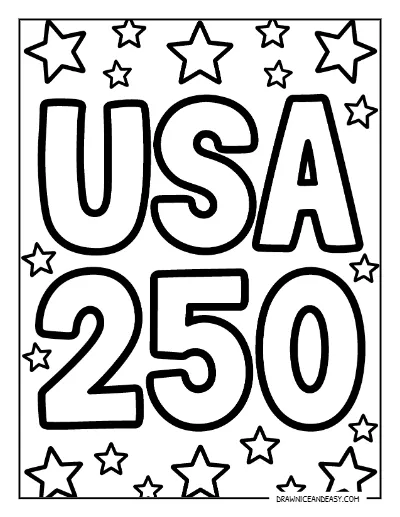
USA 250 Bold Anniversary Numbers Coloring Page – Free PDF
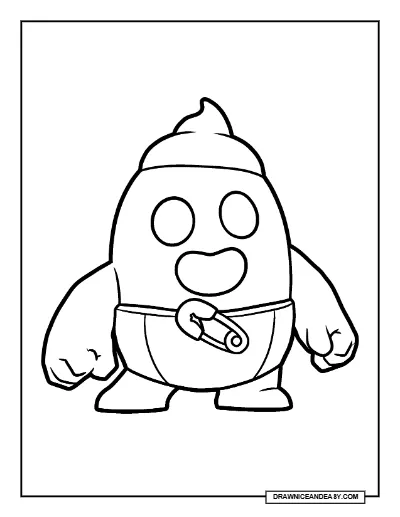
Poop Spike Brawl Stars Coloring Page – Free PDF
Toon Spike Brawl Stars Coloring Page – Free PDF