Crayons vs. Colored Pencils vs. Markers: Which Art Tool is Best for Kids?
Crayons vs. Colored Pencils vs. Markers: Which Art Tool is Best for Kids?
When you print out a fresh set of printable coloring pages for your little ones, one crucial question immediately pops up: Which art medium should they use today?
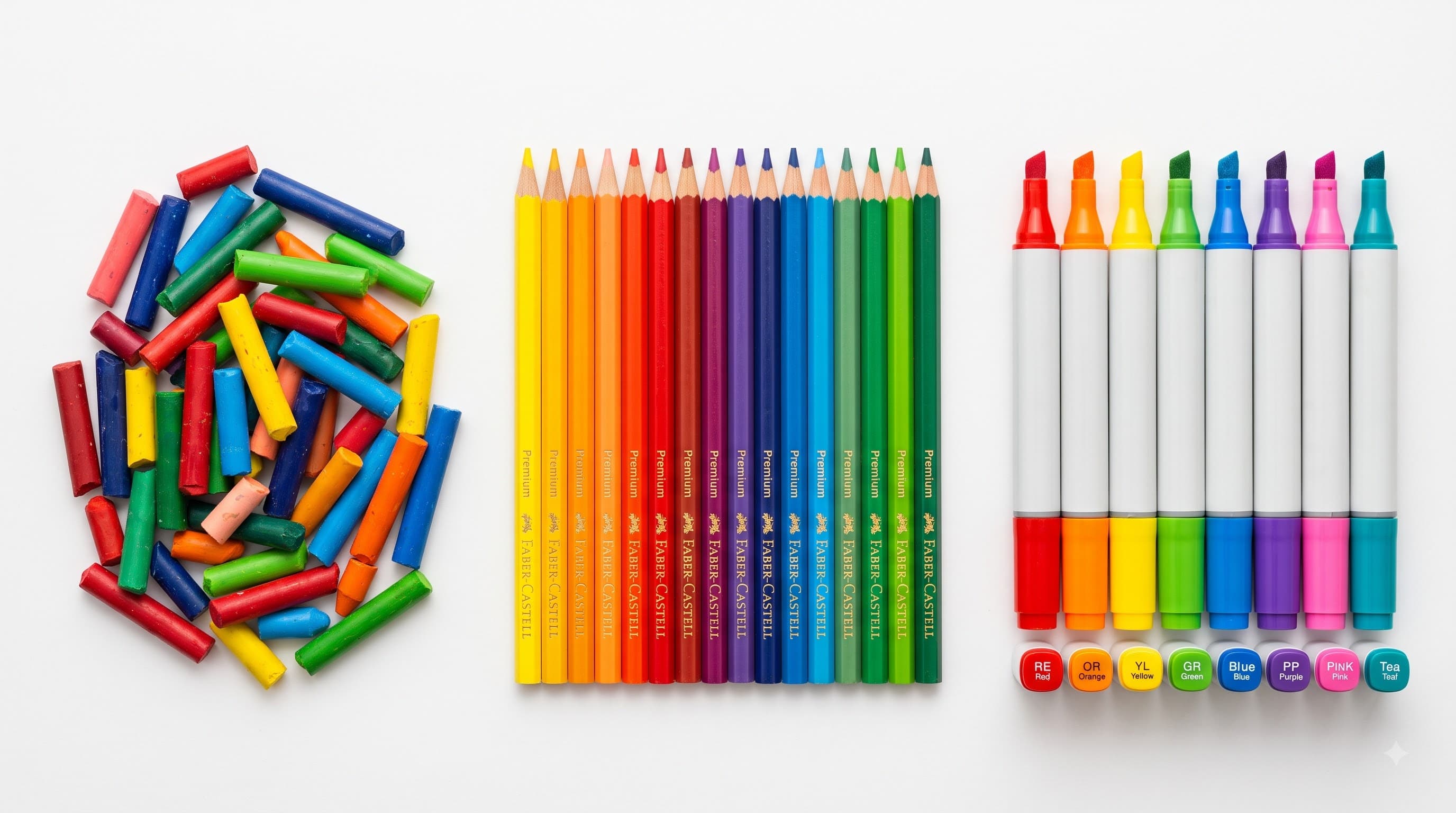
Walking down the craft aisle can feel surprisingly overwhelming. Shelves are stacked high with triangular toddlers' crayons, ultra-washable markers, dual-tip brush pens, and artist-grade colored pencils. While all three main coloring tools—crayons, colored pencils, and markers—foster creativity, each offers unique developmental benefits, texture variations, and sensory experiences for growing minds.
At Draw Nice & Easy, we believe that coloring is far more than just a quiet afternoon activity. It is a vital stepping stone in early childhood development that helps build fine motor skills, spatial awareness, and visual confidence. In this comprehensive guide, we will break down the pros, cons, developmental benefits, and ideal age ranges for crayons, colored pencils, and markers so you can choose the absolute best tool for your child's creative journey.
1. Crayons: The Time-Tested Early Learning Essential
There is a reason crayons are a classic staple in almost every preschool and kindergarten classroom worldwide. Wax crayons are often a child's very first introduction to self-expression, color recognition, and tool handling.
Why Crayons Are Great for Young Artists
- Promotes Hand Strength and Pencil Grip: Holding a thick crayon requires young children to utilize hand and finger muscles they haven't fully developed yet. Triangular or palm-grip crayons help toddlers transition from a whole-fist grasp to a proper tripod grip.
- Durable and Long-Lasting: Crayons rarely break into unusable pieces. Even if a crayon snaps in half, it remains completely functional (and broken crayons are actually fantastic for encouraging fine motor control!).
- Safe and Non-Toxic: Designed specifically for young children, standard wax crayons are non-toxic and worry-free for toddlers who might still be prone to putting items in their mouths.
The Drawbacks of Crayons
- Limited Detail: Because crayon tips dull quickly, it can be frustrating for older children trying to color inside tiny, intricate lines on detailed printable activities.
- Requires Physical Effort: Young children must exert noticeable hand pressure to achieve rich, vibrant colors, which can sometimes lead to early hand fatigue.
Best For: Toddlers and preschoolers (Ages 1–4) working on simple, large-line printable coloring pages.
2. Colored Pencils: The Master of Precision and Control
As children grow and refine their motor skills, their desire for detail and realism increases. Enter colored pencils—the ultimate tool for precision, shading, and artistic experimentation.
Why Colored Pencils Are Ideal for Growing Kids
- Refines Fine Motor Control: Colored pencils require delicate handling and an established tripod grip. Controlling line thickness and shading depth builds dexterity that directly translates to better handwriting skills in school.
- Perfect for Intricate Designs: Sharpened colored pencils allow kids to color small spaces easily without straying outside the lines, making them ideal for complex printable coloring sheets, educational diagrams, and storybook art.
- Teaches Blending and Shading: Unlike crayons or markers, colored pencils offer incredible versatility in tone. Children can learn how light pressure creates soft tones and heavier pressure builds rich shadows, blending colors seamlessly.
The Drawbacks of Colored Pencils
- Frequent Sharpening Required: Lead tips break easily when dropped on hard floors, requiring constant sharpening that can interrupt a child's creative flow.
- Faint Color for Weak Hands: Younger kids who haven't developed strong finger muscles may find pencil colors faint and washed out compared to markers.
Best For: Early elementary kids and older (Ages 5+) who enjoy detailed coloring activities, shading, and realistic drawing.
3. Markers: Vibrant Colors and Instant Gratification
If you want an explosion of vivid color with minimal physical effort, markers are the undisputed winner. Kids love markers because the colors instantly jump off the page with satisfying brightness!
Why Markers Are a Kids' Favorite
- Vibrant, Bold Color Payoff: Markers lay down rich pigment smoothly with almost zero wrist pressure, providing instant visual satisfaction for young creators.
- Encourages Spatial Awareness: Broad-tip markers make filling large areas quick and smooth, helping kids understand spatial relations and line boundaries.
- Ideal for Poster Art and Bold Lines: Broad lines and bright tones make markers perfect for high-impact art, simple printable activities, and holiday greeting cards.
The Drawbacks of Markers
- Paper Bleed-Through: Standard water-based markers can soak through thin copy paper, potentially ruining the surface beneath or ruining double-sided coloring pages.
- Drying Out and Mess Potential: If caps are left off, markers dry out quickly. Non-washable or permanent varieties can also lead to unwanted furniture art or stained clothing.
Best For: Preschoolers through pre-teens (Ages 3+) who love bold visuals—just make sure to buy washable markers and use heavier-grade paper!
Side-by-Side Comparison Guide
| Feature | Crayons | Colored Pencils | Markers | | :--- | :--- | :--- | :--- | | Ideal Age Range | 1 – 4 years | 5+ years | 3+ years | | Developmental Focus | Hand strength, palm-to-tripod grip | Fine motor precision, handwriting prep | Visual confidence, spatial awareness | | Mess Factor | Very Low | Low (pencil shavings) | Medium (cap tracking, potential bleed) | | Precision Level | Low | High | Medium | | Color Intensity | Soft to Medium | Soft to Rich (pressure-based) | Highly Vibrant |
How to Match the Art Tool to Your Printable Coloring Pages
To give your child the best coloring experience, match their chosen medium with the type of printable activity you download:
- For Simple, Large Designs: Use crayons or broad markers. Beginner printable coloring pages with bold outlines and large shapes are ideal for tiny hands practicing basic motor control.
- For Detailed Story Scenes and Patterns: Reach for colored pencils. Intricate illustrations and complex patterns require sharp points that stay neatly inside small borders.
- For Bold, Poster-Style Artwork: Choose washable markers. If printing at home, select a slightly thicker paper grade (such as 24lb or 28lb paper) to prevent ink from bleeding through.
The Verdict: Which Should You Choose?
There is no single "winner" in the debate between crayons, colored pencils, and markers—the best art tool depends entirely on your child's age, motor development, and personal preference!
- Start toddlers with crayons to build crucial grip strength and muscular endurance.
- Introduce markers to preschoolers to spark creative excitement through bold, instant color.
- Transition school-aged kids to colored pencils for precision, shading skills, and handwriting preparation.
In fact, encouraging your child to mix mediums on a single page—using markers for bold backgrounds and colored pencils for fine details—is one of the best ways to ignite creative problem-solving!
Ready to put these tools to the test? Explore our massive library of free printable coloring pages at Draw Nice & Easy, print out your child's favorite designs, and let their imagination run wild today!
Explore Coloring Categories
Trending Printable Coloring Sheets
Our most popular free coloring pages ready for instant download.
Sirius Brawl Stars Coloring Page – Free PDF
Sirius Brawl Stars Pose Coloring Page – Free PDF
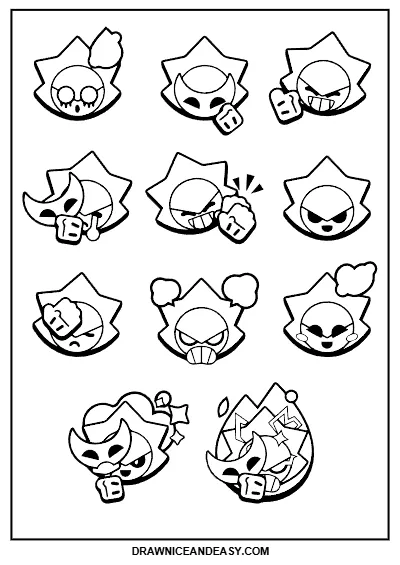
Sirius Pins Brawl Stars Coloring Page – Free PDF
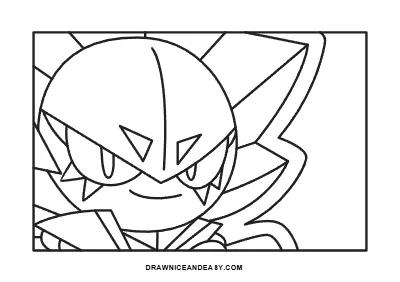
Sirius Icon Brawl Stars Coloring Page – Free PDF
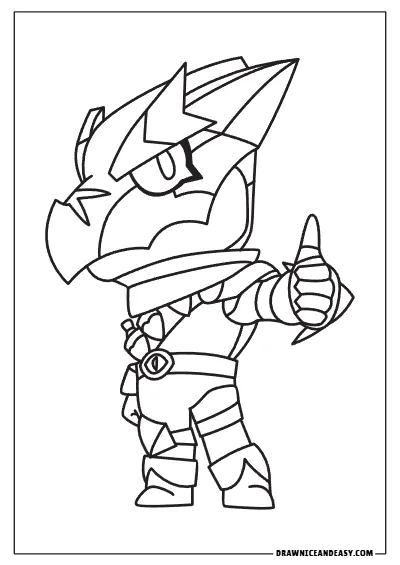
Dragon Crow Brawl stars Coloring Page – Free PDF
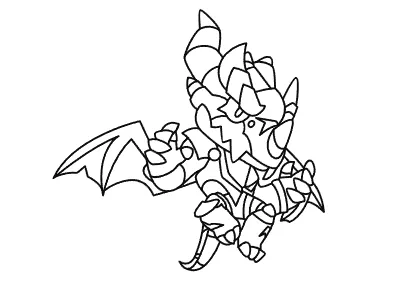
Dragonkin Crow Brawl Stars Coloring Page – Free PDF
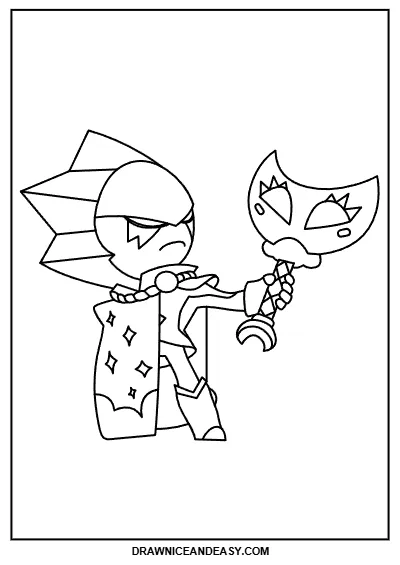
Sad Sirius Brawl Stars Coloring Page – Free PDF
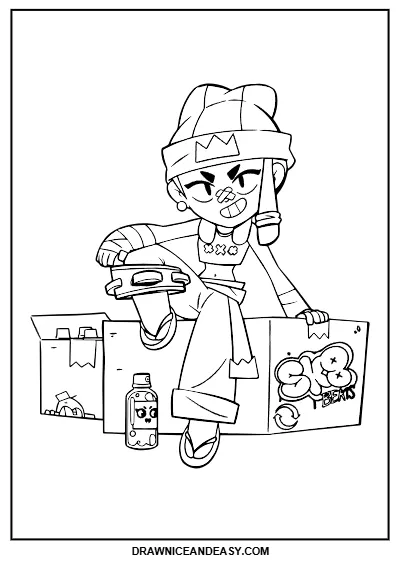
Mina Sitting On Box Brawl Stars Coloring Page – Free PDF
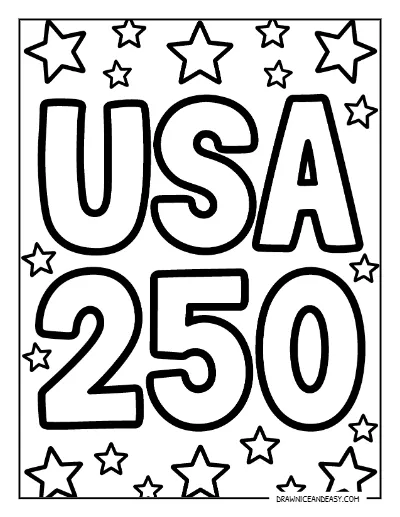
USA 250 Bold Anniversary Numbers Coloring Page – Free PDF
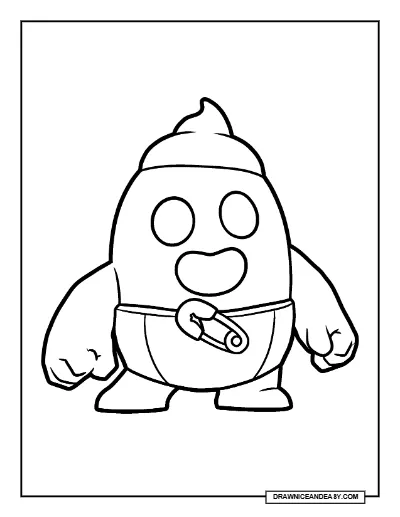
Poop Spike Brawl Stars Coloring Page – Free PDF
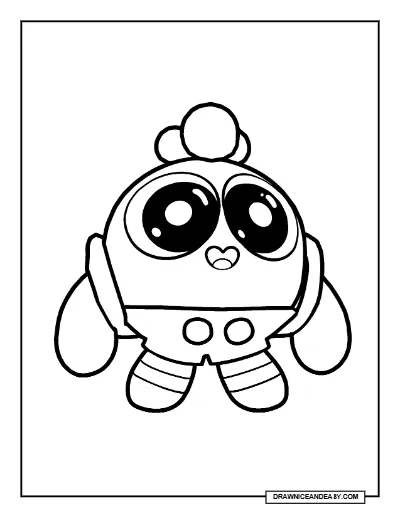
Toon Spike Brawl Stars Coloring Page – Free PDF