The Hidden Developmental Benefits of Coloring for Toddlers and Preschoolers
The Hidden Developmental Benefits of Coloring for Toddlers and Preschoolers
When you hand a toddler a vibrant set of crayons and a fresh sheet of paper, it might look like mere play—or perhaps a few minutes of quiet chaos. But behind those enthusiastic scribbles and bold color choices lies a powerhouse of early childhood development. Coloring is far more than a simple rainy-day distraction; it is a foundational activity that shapes a child's cognitive, physical, and emotional growth.
At Draw Nice and Easy, we believe that art should be accessible, stress-free, and fun. Simple printable coloring pages offer young learners an inviting canvas to explore their world. In this article, we will unpack the science-backed, hidden developmental benefits of coloring for toddlers and preschoolers, and explain why this quiet activity is one of the best gifts you can give your growing child.
1. Physical Development: Fine Motor Skills and Hand Strength
Before a child can write their name or tie their shoes, they need to build the tiny muscles in their hands, wrists, and fingers. Coloring acts as a playful gym workout for little hands.
Building the Pincer Grip
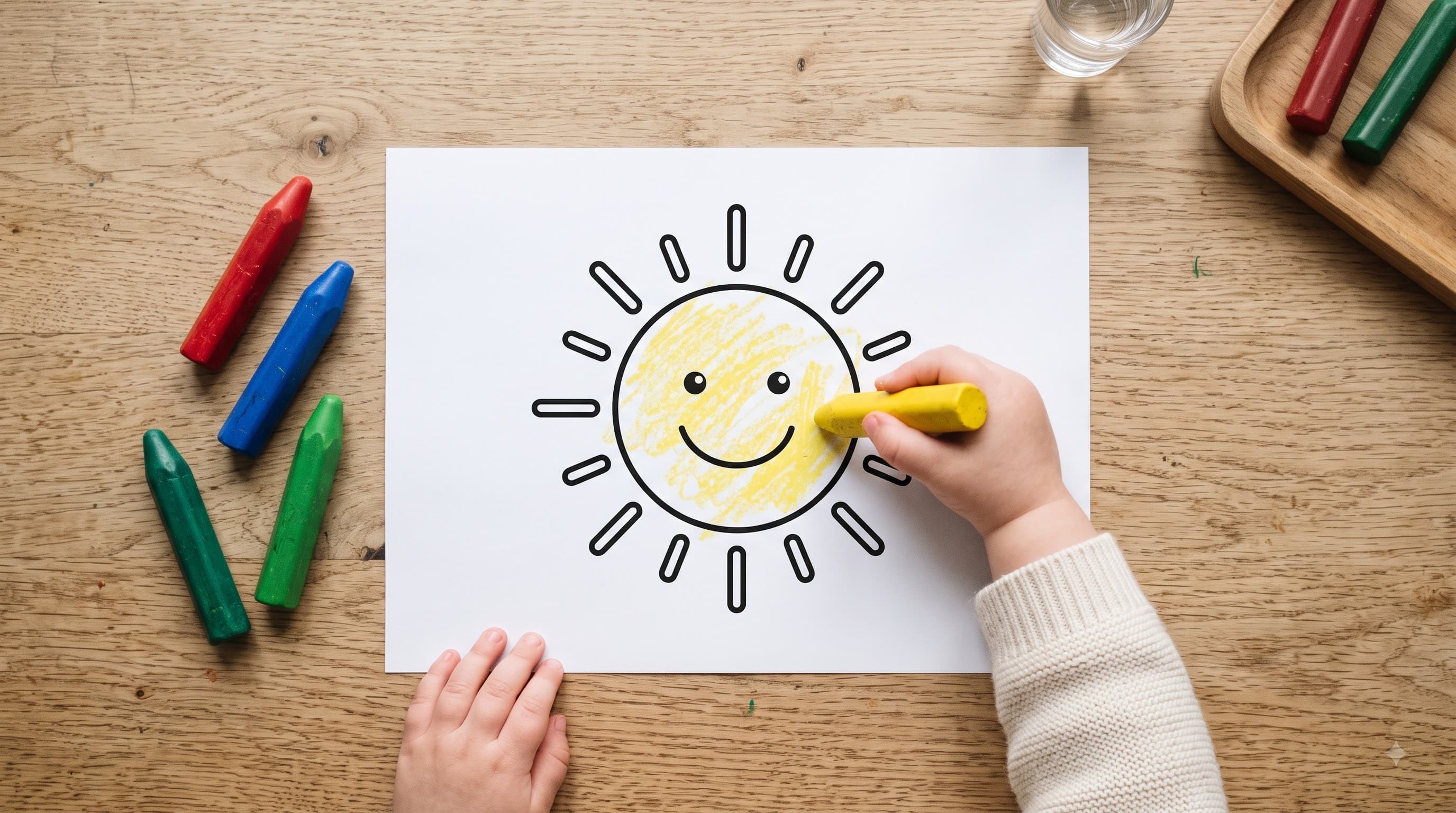
To hold a crayon correctly, children must transition from a full-fist grip (palmar grasp) to a three-finger grip (pincer grasp). Coloring naturally encourages children to refine their hand movements. As they experiment with controlling crayons, colored pencils, or markers, they develop the muscular control required for handwriting down the road.
Enhancing Hand-Eye Coordination
Guiding a crayon across paper requires intricate coordination between what a child sees and how their hand moves. Selecting a specific section of a coloring sheet and filling it with color trains the eyes and hands to work together seamlessly. This spatial coordination pays dividends later when learning to read, write, and play sports.
2. Cognitive Growth: Logic, Focus, and Spatial Awareness
Coloring engages both hemispheres of a child's brain. While the right side taps into imagination and color choice, the left side processes boundaries, shapes, and spatial relationships.
Understanding Boundaries and Spatial Concepts
When children work on easy coloring pages, they begin to perceive line limits, spatial boundaries, and geometric structure. Recognizing concepts like "inside," "outside," "above," and "below" provides an intuitive foundation for early mathematical thinking.
Boosting Concentration and Patience
In a fast-paced digital age filled with rapid visual stimuli, coloring offers an invaluable lesson in slow focus. Completing a picture requires sustained attention, patience, and task persistence. Over time, regularly spending 15–20 minutes with printable activities helps extend a child's attention span—a crucial skill for preschool and kindergarten readiness.
- Color Recognition: Identifying primary and secondary colors.
- Pattern Matching: Choosing alternating colors for patterns.
- Problem Solving: Deciding which colors fit best together to create a complete picture.
3. Emotional and Social Well-Being: Calm and Confidence
Parenting toddlers and preschoolers comes with its share of big emotions. Coloring provides a gentle emotional outlet for young minds learning to navigate feeling overwhelmed.
A Natural Stress-Reliever
The rhythmic, repetitive action of coloring releases tension and lowers anxiety in children. Just as adult coloring books offer mindfulness, simple coloring pages create a peaceful haven for toddlers after an active day at daycare or preschool.
Building Self-Esteem and Pride
There is immense joy in seeing a completed artwork! Finishing a coloring page gives toddlers a concrete sense of accomplishment. Displaying their finished masterpiece on the refrigerator reinforces their self-confidence and encourages pride in their own capabilities.
4. Igniting Creativity and Self-Expression
Coloring is one of a child’s first opportunities to make independent visual decisions. Should the sun be yellow, purple, or blue? Should the tree have red leaves?
Allowing children to choose their own colors—without imposing strict rules about reality—nurtures creative freedom. It teaches them that their choices have value and that self-expression is something to be celebrated. Whether they are carefully staying inside the lines or creating bold, abstract strokes across the entire page, they are actively constructing their artistic identity.
Practical Tips for Making Coloring Time Enjoyable at Home
Ready to get the most out of your child's coloring sessions? Here are a few simple strategies to keep art time fun and developmental:
- Choose Age-Appropriate Designs: For toddlers, select printable coloring pages with thick, bold outlines and large, simple shapes. Complex designs can cause frustration.
- Offer Varied Mediums: Don't limit art time to standard crayons. Introduce washable markers, chunky triangular pencils, or finger paints to engage different sensory pathways.
- Focus on Process Over Perfection: Resist the urge to correct your child's color choices or line boundaries. Celebrate their effort, color combinations, and focus rather than the final perfection.
- Create a Dedicated Art Station: Keep a stash of easily accessible, free printable coloring pages and non-toxic drawing tools at a child-sized table.
Final Thoughts
The simple act of picking up a crayon unlocks a world of early childhood milestones. From building fine motor strength and handwriting readiness to promoting emotional balance and creative confidence, coloring remains one of the most powerful, easy-to-implement learning tools available.
Next time your toddler sits down with a handful of crayons, remember that they aren't just making pictures—they are building the brain pathways and physical skills that will serve them for a lifetime. Explore our library of Draw Nice and Easy free printable coloring pages today and give your little creator the perfect start!
Explore Coloring Categories
Trending Printable Coloring Sheets
Our most popular free coloring pages ready for instant download.
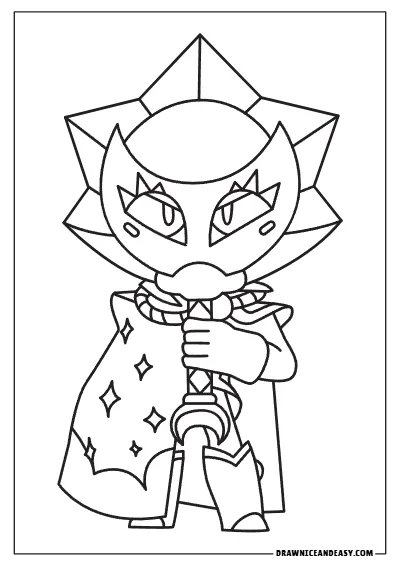
Sirius Brawl Stars Coloring Page – Free PDF
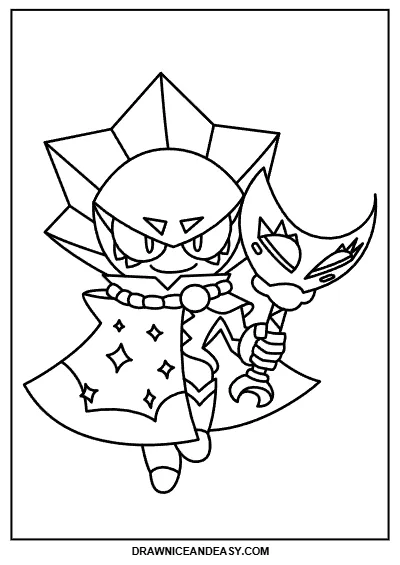
Sirius Brawl Stars Pose Coloring Page – Free PDF
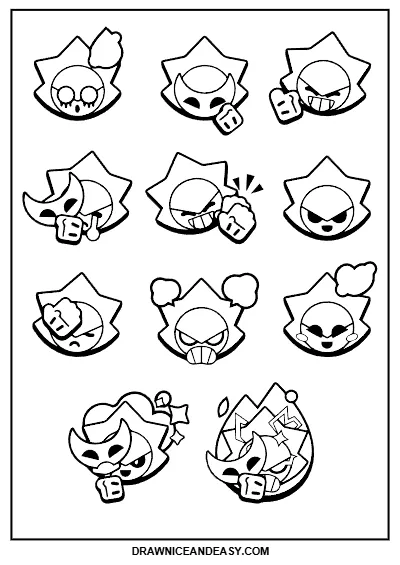
Sirius Pins Brawl Stars Coloring Page – Free PDF
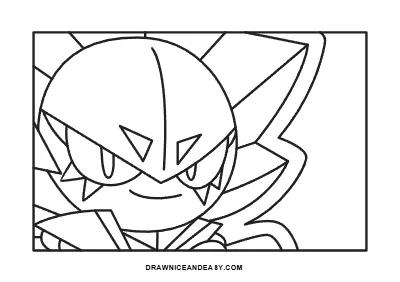
Sirius Icon Brawl Stars Coloring Page – Free PDF
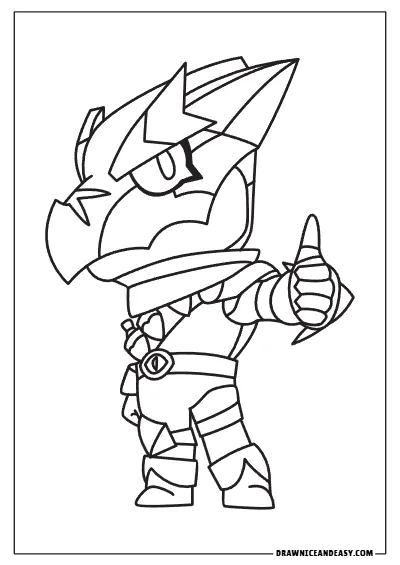
Dragon Crow Brawl stars Coloring Page – Free PDF
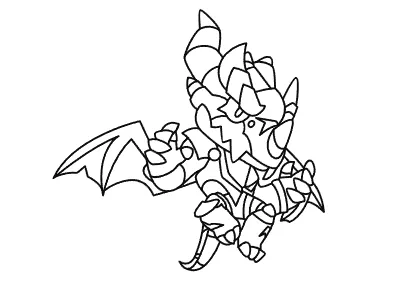
Dragonkin Crow Brawl Stars Coloring Page – Free PDF
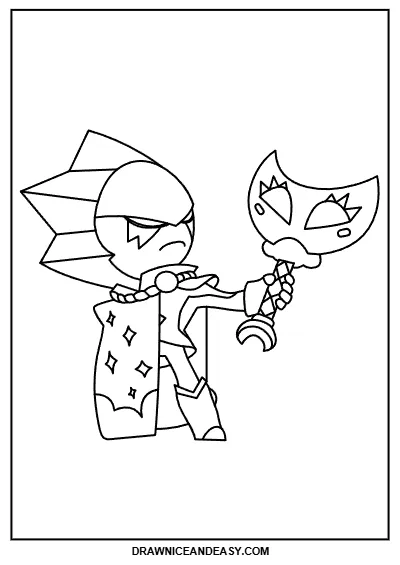
Sad Sirius Brawl Stars Coloring Page – Free PDF
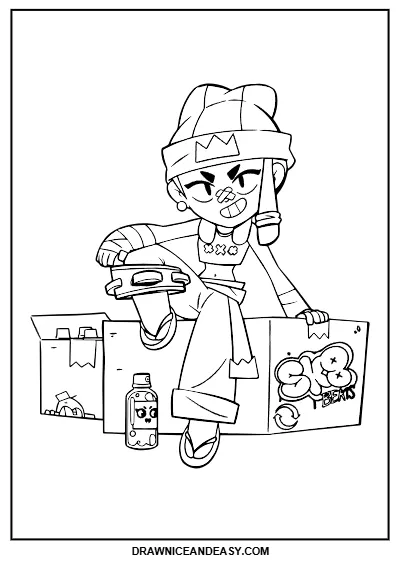
Mina Sitting On Box Brawl Stars Coloring Page – Free PDF
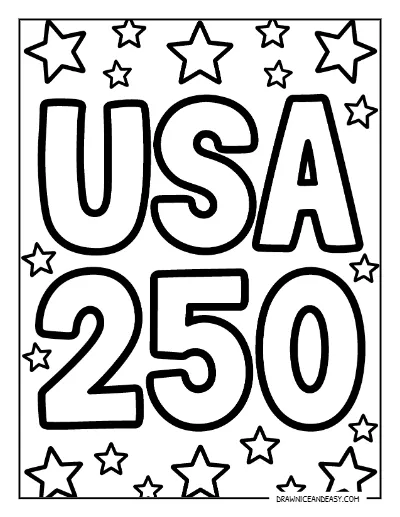
USA 250 Bold Anniversary Numbers Coloring Page – Free PDF
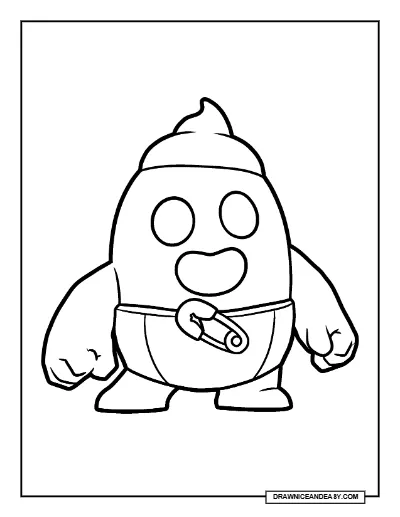
Poop Spike Brawl Stars Coloring Page – Free PDF
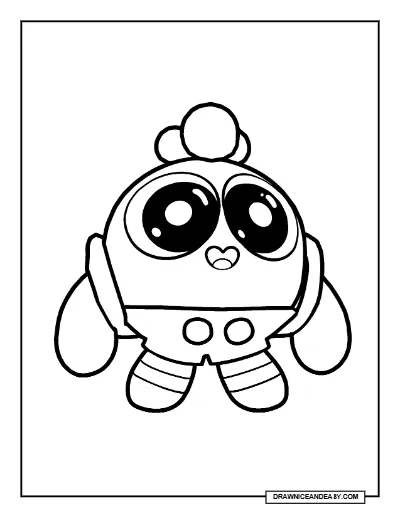
Toon Spike Brawl Stars Coloring Page – Free PDF