How Coloring Pages Build Fine Motor Skills & Handwriting Readiness in Kids
How Coloring Pages Build Fine Motor Skills & Handwriting Readiness in Kids
When a toddler picks up a bright red crayon and enthusiastically scribbles across a piece of paper, it might look like simple playtime. But underneath those energetic swoops and swirls, something remarkable is happening. Your child is embarking on one of the most fundamental developmental milestones of early childhood: building fine motor skills and preparing for handwriting.
In today's digital age, where touchscreen devices are increasingly prevalent, tactile learning activities like coloring pages are more important than ever. At Draw Nice and Easy, we see firsthand how printable activities bridge the gap between play and essential skill development. In this guide, we will explore the science behind how coloring strengthens hand muscles, refines dexterity, and paves the way for fluent, confident writing.
What Are Fine Motor Skills and Why Do They Matter?
Before diving into how coloring helps, it is essential to understand what fine motor skills actually are. While gross motor skills involve large muscle groups used for running, jumping, and balancing, fine motor skills involve the coordination of small muscles in the fingers, hands, and wrists.
These small movements allow children to perform critical everyday tasks, including:
- Buttoning a shirt and zipping up a jacket
- Using utensils like forks and spoons
- Tying shoes and manipulating small objects like building blocks
- Holding a pencil correctly and writing legibly
Without well-developed fine motor strength and dexterity, children often struggle when they transition to formal handwriting in preschool and kindergarten. Hand fatigue, awkward grip habits, and frustration can easily set in. Fortunately, engaging kids with free printable coloring pages offers a fun, stress-free environment to develop these crucial physical foundations long before they ever need to write letters.
How Coloring Strengthens Little Hands for Handwriting
Coloring is far more than an artistic pastime; it acts as a fun workout for tiny hand and wrist muscles. Here are the primary ways that regular coloring practice prepares your child for pencil control and early writing success.
1. Mastering the Proper Pencil Grip (Pincer Grasp)
One of the greatest challenges early childhood educators face is teaching children how to hold a writing instrument correctly.
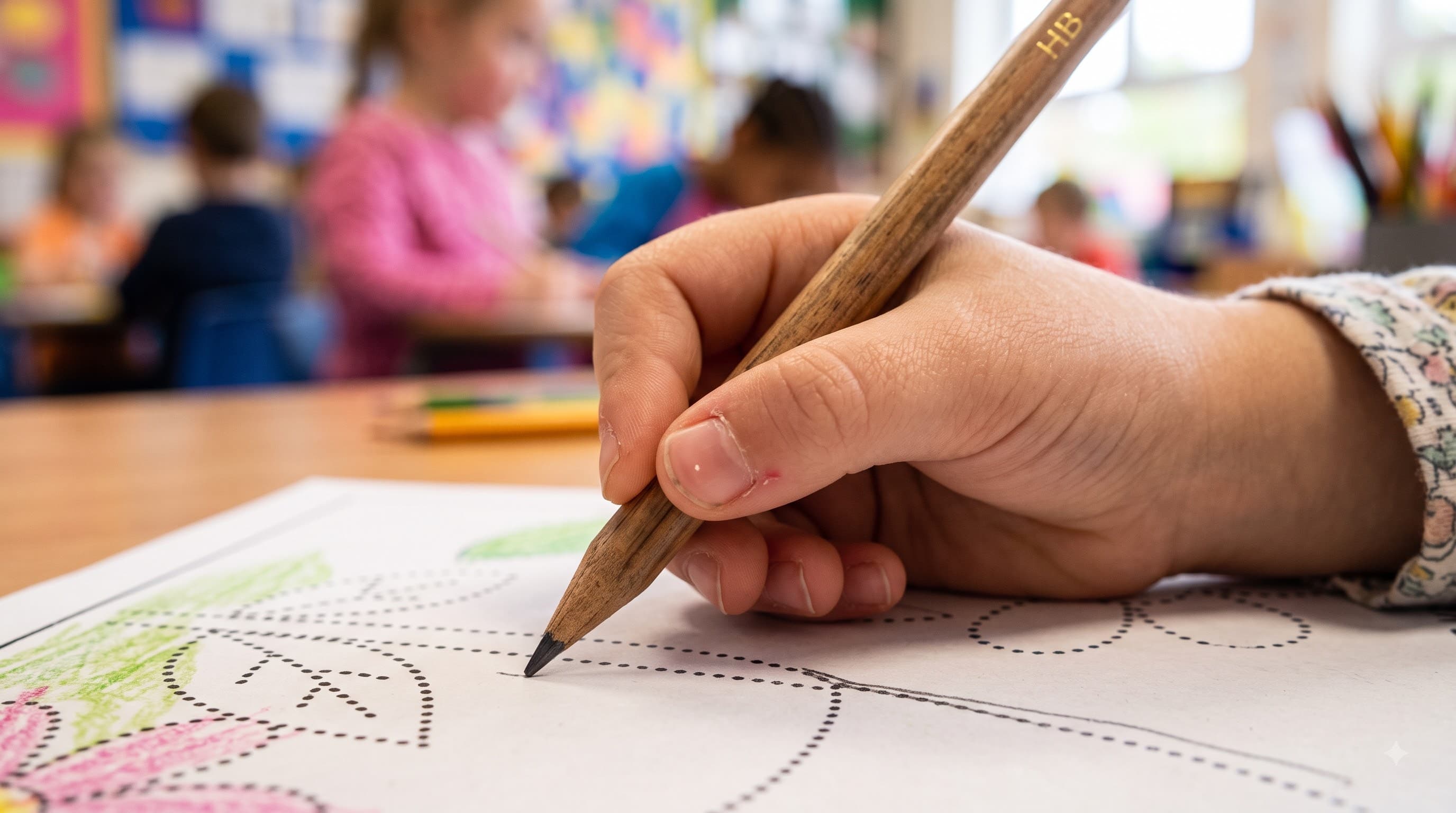
When toddlers start coloring, they usually use a fisted grip (palmar grasp), using their entire hand to hold the crayon. As they gain control, they naturally transition to a four-finger grip, and eventually to the dynamic tripod grasp—holding the tool between the thumb, index, and middle finger.
Holding a crayon while coloring simple outlines encourages kids to manipulate the tool and experiment with finger positioning. Shorter or broken crayons, in particular, naturally force children into a tripod grip because there is not enough crayon length to grab with a whole fist!
2. Developing Hand and Finger Strength
Writing requires sustained muscle strength in the hands and wrists. If hand muscles are weak, a child may press too hard, break pencil leads, or tire out quickly during classroom writing assignments.
Coloring requires consistent pressure control. As children color in larger shapes or shade different areas, they exercise the intrinsic muscles of the hand. Learning how much pressure to apply—a hard stroke for vibrant color, a light stroke for soft shading—builds muscle tone, finger control, and tactile sensitivity.
3. Enhancing Bilateral Coordination
Bilateral coordination is the ability to use both sides of the body together in a controlled and organized manner.
When coloring a printable worksheet or coloring page, a child must use one hand (the dominant hand) to manipulate the crayon while using the other hand (the non-dominant hand) to hold the paper steady. This dual action reinforces cross-brain communication and teaches children how to stabilize materials—a critical prerequisite for holding down a notebook while writing or cutting with scissors.
4. Improving Hand-Eye Coordination and Spatial Awareness
Staying within the lines of a coloring page requires sophisticated visual-motor integration. A child's eyes must guide the hand's movement, interpreting boundaries and adjusting motion in real time.
Coloring helps children develop:
- Spatial Awareness: Understanding concepts like inside, outside, top, bottom, left, and right.
- Line Awareness: Recognizing visual borders, which translates directly to keeping letters on ruled notebook lines later in life.
- Motor Planning: Deciding where to start coloring, changing stroke direction, and stopping at a border.
From Crayons to Letters: The Bridge to Early Literacy
Did you know that the strokes used in coloring mirror the basic strokes of letter formation?
Before a child can write the letter "A", "H", or "O", they must master specific movement patterns:
- Vertical lines
- Horizontal lines
- Diagonal lines
- Curves and circles
Coloring pages naturally feature these shapes and stroke patterns within their illustrations. When a child colors a round sun, a tall tree trunk, or a diagonal roof of a house, they are practicing the exact geometric movements required for letter construction.
Furthermore, completing a detailed coloring page builds stamina, focus, and task completion. Sitting down to finish a page fosters attention span and self-regulation—habits that pay massive dividends when entering a formal school environment.
Simple Tips for Parents and Educators
To maximize the developmental benefits of coloring while keeping it joyful, consider these practical tips:
- Offer Variety in Drawing Tools: Switch between thick crayons, triangular pencils, markers, and broken crayons. Different tools challenge hand muscles in unique ways.
- Choose Age-Appropriate Printable Coloring Pages: Start toddlers with simple, bold-lined designs featuring single large objects. As hand-eye coordination improves, introduce pages with smaller spaces and detailed scenes.
- Encourage Vertical Surfaces: Tape coloring pages to a wall, easel, or refrigerator. Coloring on a vertical surface builds shoulder stability and wrist extension, which are essential for ergonomic writing posture.
- Focus on the Process, Not Perfection: Avoid over-correcting if your child colors outside the lines or uses unexpected colors. The physical movement and creative enjoyment are what truly matter for fine motor development.
- Make Printable Activities Part of the Daily Routine: Keep a folder of easy-to-print coloring sheets ready for quiet time, travel, or post-school wind-downs.
Conclusion: Empowering Your Child's Growth, One Page at a Time
The humble coloring page is truly a powerhouse tool in child development. Beyond providing creative expression and quiet entertainment, coloring actively trains the small muscles, grip mechanics, visual-motor coordination, and spatial awareness required for handwriting success.
By incorporating engaging, high-quality printable activities into your child's weekly routine, you are giving them a fun head start on early literacy and fine motor confidence. Explore our collection at Draw Nice and Easy today, download your favorite free printable coloring pages, and watch your child color their way to writing readiness!
Explore Coloring Categories
Trending Printable Coloring Sheets
Our most popular free coloring pages ready for instant download.
Sirius Brawl Stars Coloring Page – Free PDF
Sirius Brawl Stars Pose Coloring Page – Free PDF
Sirius Pins Brawl Stars Coloring Page – Free PDF
Sirius Icon Brawl Stars Coloring Page – Free PDF
Dragon Crow Brawl stars Coloring Page – Free PDF
Dragonkin Crow Brawl Stars Coloring Page – Free PDF
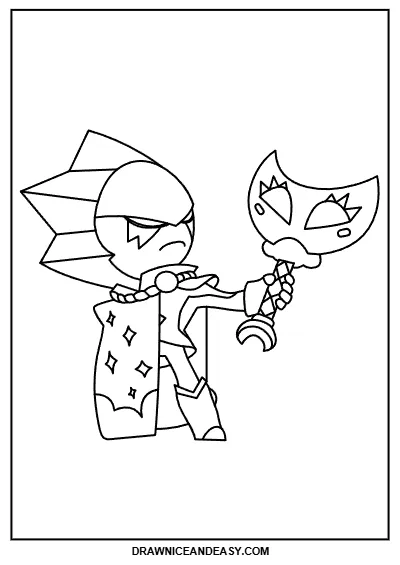
Sad Sirius Brawl Stars Coloring Page – Free PDF
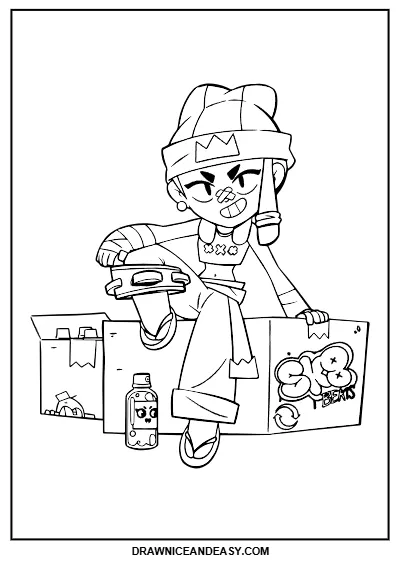
Mina Sitting On Box Brawl Stars Coloring Page – Free PDF
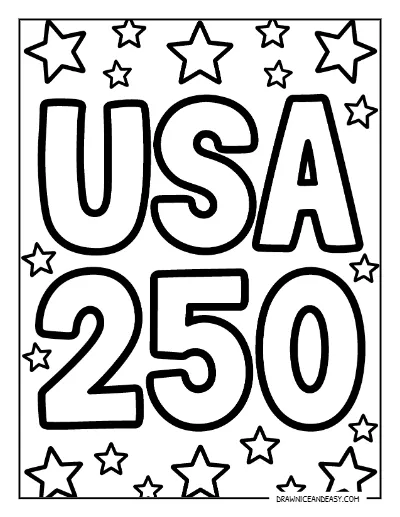
USA 250 Bold Anniversary Numbers Coloring Page – Free PDF
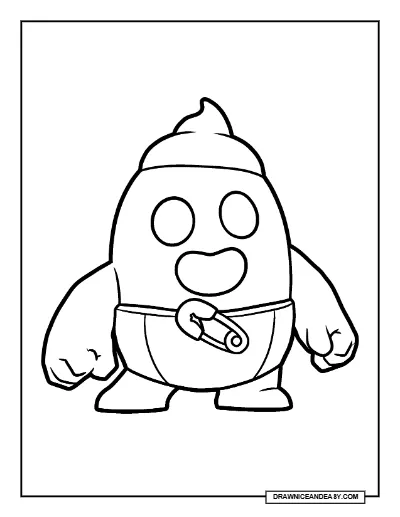
Poop Spike Brawl Stars Coloring Page – Free PDF
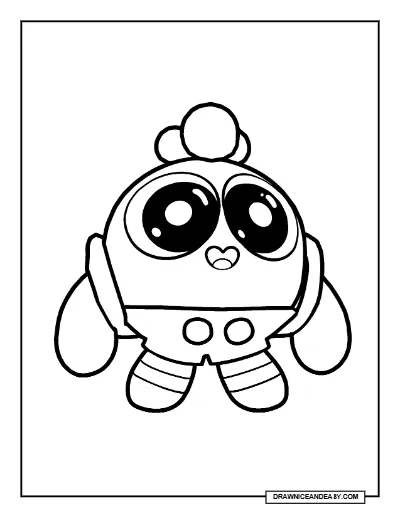
Toon Spike Brawl Stars Coloring Page – Free PDF