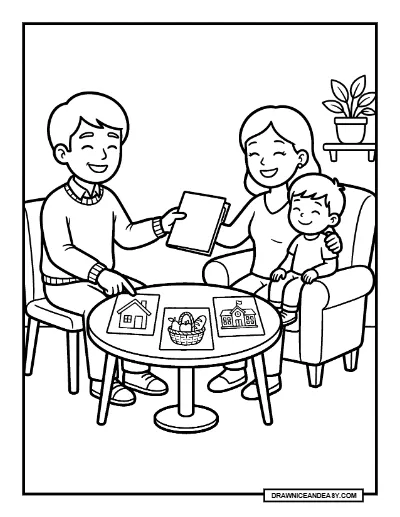
Why Community Helpers Are the Perfect Educational Theme for Kindergarteners
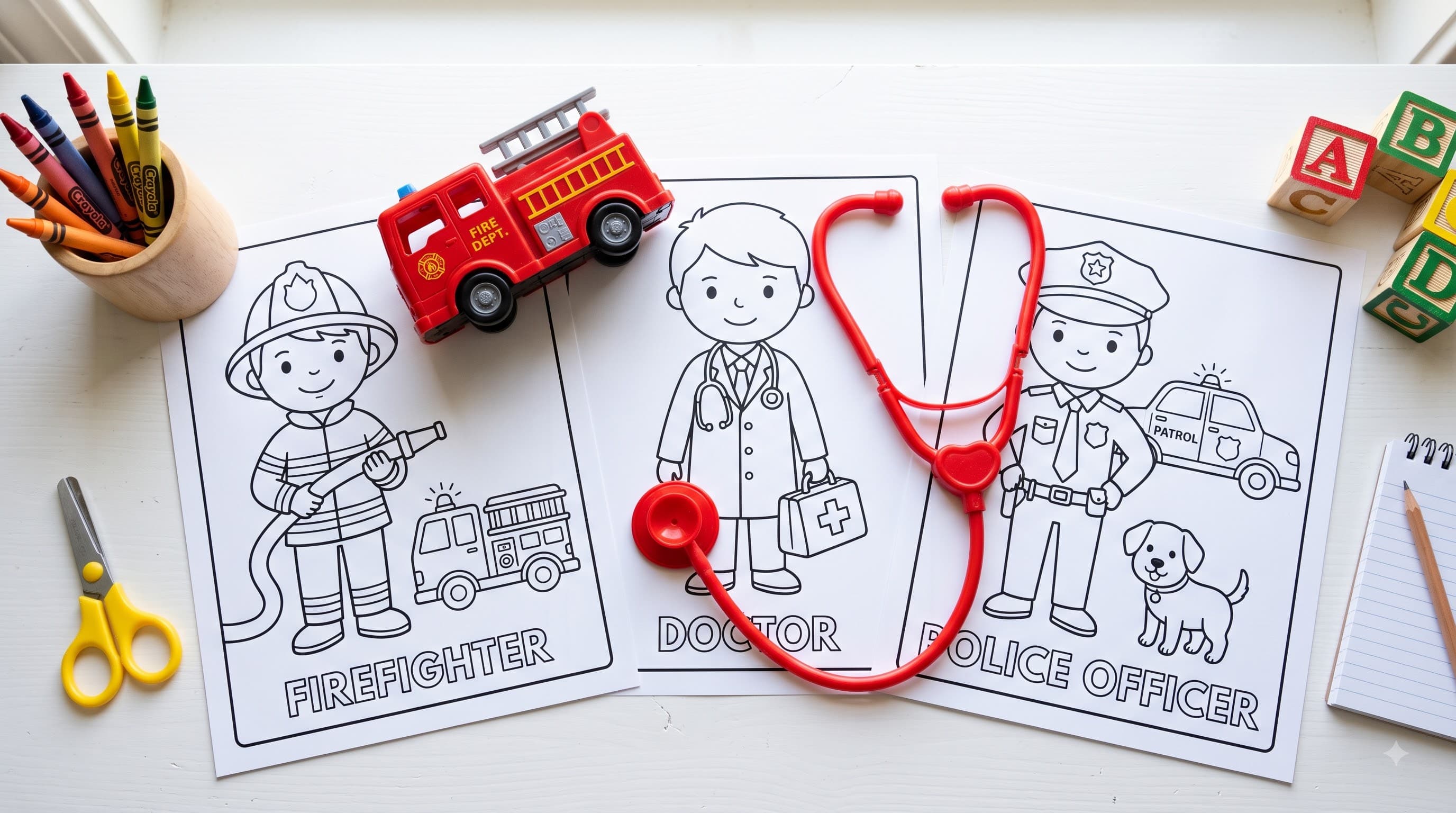
Why Community Helpers Are the Perfect Educational Theme for Kindergarteners
When children enter kindergarten, their world expands dramatically beyond the familiar walls of their homes. Suddenly, they are navigating new social structures, noticing the vibrant world around them, and asking endless questions about how society works. Who drives that loud red truck? Who delivers the letters in our mailbox? What does a doctor do when we feel sick?
This natural phase of childhood curiosity makes Community Helpers one of the most effective, engaging, and timeless educational themes for early childhood education. Whether you are a classroom teacher planning your social studies unit or a parent looking for meaningful screen-free activities, focusing on the people who make our neighborhoods safe, clean, and supportive offers endless learning benefits.
In this article, we will explore why the community helper theme works so well for five- and six-year-olds and how simple tools—like printable coloring pages and creative craft activities—can supercharge your child's developmental milestones.
1. Fostering Social-Emotional Growth and Community Awareness
At the kindergarten stage, children are transitioning from egocentric thinking to a broader understanding of community and cooperative living. Learning about community helpers gives children a clear framework for understanding how people rely on one another.
Building Empathy and Respect
By studying firefighters, mail carriers, sanitation workers, nurses, teachers, and police officers, children begin to realize that every job serves a vital purpose. They learn to value the hard work of others, developing empathy, gratitude, and respect for people from all walks of life.
Reducing Anxiety Around Emergency Workers
For young children, authority figures or emergency workers in full gear—such as firefighters wearing thick masks or doctors holding stethoscopes—can seem intimidating. Introducing these roles through friendly discussions, storybooks, and community helper coloring pages demystifies their equipment and uniforms. Children learn that these individuals are safe, approachable heroes who are there to help them when they need it most.
2. Developing Fine Motor and Art Skills Through Printable Activities
Integrating art into theme-based learning is a proven strategy for deepening comprehension while strengthening essential physical skills. Early childhood educators frequently rely on targeted coloring and drawing sheets to help children refine their motor control.
Building Hand Strength and Precision
Coloring is far more than just a quiet time filler; it is an essential pre-writing workout. When kindergarteners color detailed illustrations of community helpers and their tools, they practice:
- Pincer grip development: Holding crayons or colored pencils correctly prepares fingers for handwriting.
- Hand-eye coordination: Guiding a coloring tool within defined lines trains the brain and hands to work together.
- Spatial awareness: Choosing colors and deciding where to apply them develops visual-spatial abilities.
Using free printable coloring pages featuring community helpers gives children a low-pressure, highly enjoyable way to practice these fundamental skills while reinforcing the lesson topic.
3. Boosting Language and Vocabulary Acquisition
A themed curriculum provides a rich context for building a robust vocabulary. The community helper topic naturally introduces specialized terminology that expands a child’s verbal and reading comprehension.
Instead of learning isolated vocabulary words, kindergarteners encounter new nouns and verbs connected to real-life scenarios:
- Occupational terms: Paramedic, veterinarian, chef, librarian, mechanic, construction worker.
- Tools and equipment: Stethoscope, hydrant, spatula, blueprint, badge, parcel.
- Action concepts: Rescue, protect, inspect, construct, heal, deliver.
When kids color or trace worksheets featuring these concepts, they connect visual images with spoken and written language, making vocabulary retention significantly higher.
4. Inspiring Imaginative Play and Career Exploration
Kindergarteners learn best through play. A community helper unit provides the ultimate springboard for dramatic play centers, dress-up days, and imaginative storytelling.
After coloring a picture of a veterinarian or postal worker, a child is naturally inspired to pretend to be one. They might line up their stuffed animals for a wellness checkup or write letters to deliver around the house. This type of self-directed pretend play nurtures problem-solving skills, executive functioning, and early career exploration without any rigid pressure.
5. Practical Ideas to Teach Community Helpers at Home or School
Bringing this theme to life does not require expensive supplies or complex lesson plans. Here are quick, budget-friendly ways to create memorable learning experiences:
Combine Storybooks with Printable Coloring Pages
Pairing a favorite picture book (such as Froggy Goes to the Doctor or Whose Hat Is This?) with themed coloring pages reinforces visual learning. After reading, hand out detailed coloring sheets featuring the featured helper so children can express what they learned creatively.
Host a "Helper of the Day" Spotlight
Focus on one community worker per day or per week. Dedicate a quick lesson to their daily routine, discuss the equipment they use, and let children complete a fun printable activity sheet or coloring page to add to an ongoing "My Community Book" folder.
Encourage Thank-You Card Crafts
Turn coloring into a meaningful act of kindness! Have children color pictures of firefighters, mail carriers, or healthcare workers, and write simple words of thanks inside. Delivering these notes to local fire stations or leaving them in the mailbox connects classroom learning directly to real-world community building.
Conclusion: Simple Tools for Big Learning Milestones
The community helper theme remains a staple of kindergarten education because it seamlessly blends social studies, language acquisition, art, and character development. By teaching children about the people who support their neighborhoods, we help them feel secure, connected, and inspired.
Incorporating simple visual tools—like high-quality printable coloring pages and easy craft sheets—makes these lessons accessible, hands-on, and fun for every young learner. Check out our growing collection of free, easy-to-print community helper activities today to spark your child's creativity and love for learning!
Community Helpers Coloring Pages
Explore our collection of free printable Community Helpers coloring pages. Discover fun, high-quality PDF sheets featuring doctors, firefighters, teachers, and more to inspire your little learners today.
Free Printables in this Collection
Download high-resolution PDF coloring sheets ready to print at home.
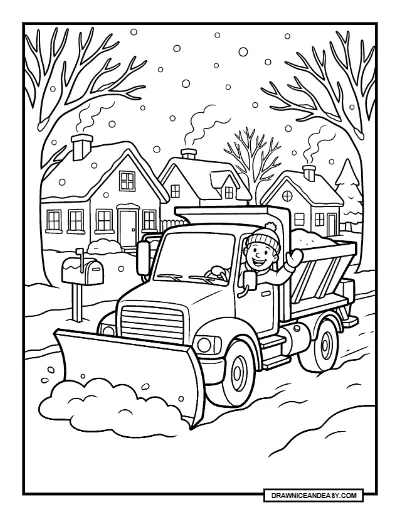
Snowplow Driver Clearing a Street Community Helper Coloring Page – Free PDF
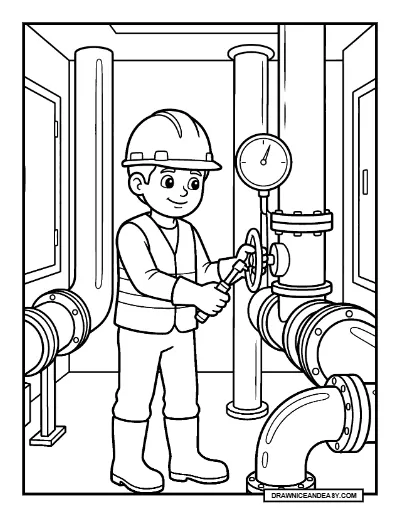
Water Utility Worker Inspecting Pipes Community Helpers Coloring Page – Free PDF
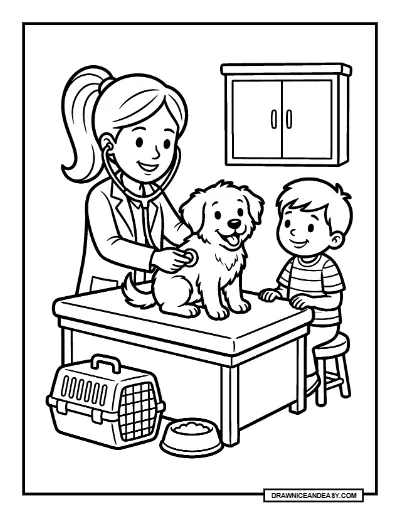
Veterinarian Caring for a Puppy Community Helpers Coloring Page – Free PDF
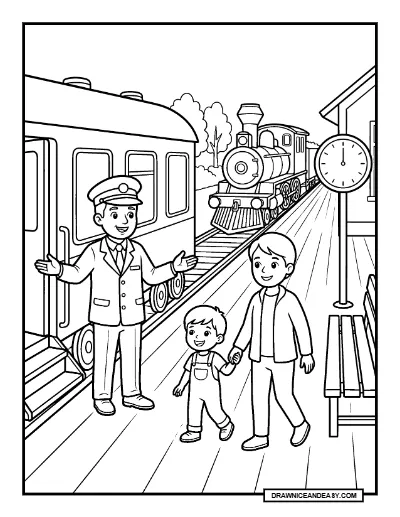
Train Conductor Welcoming Passengers Community Helper Coloring Page – Free PDF
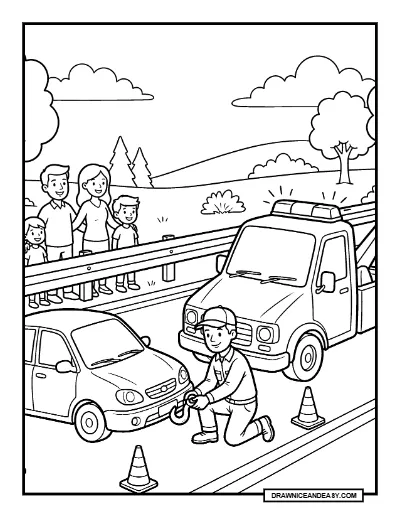
Tow Truck Driver Helping a Stranded Family Coloring Page – Free PDF
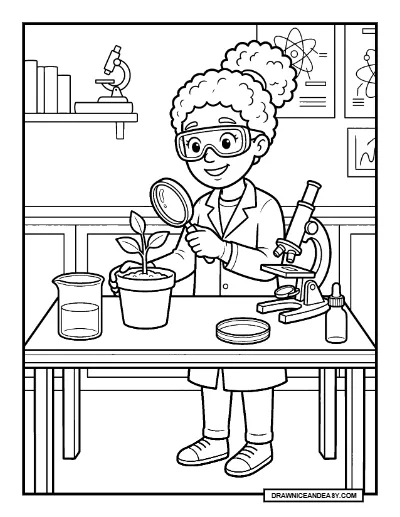
Scientist Conducting a Safe Experiment Coloring Page – Free PDF
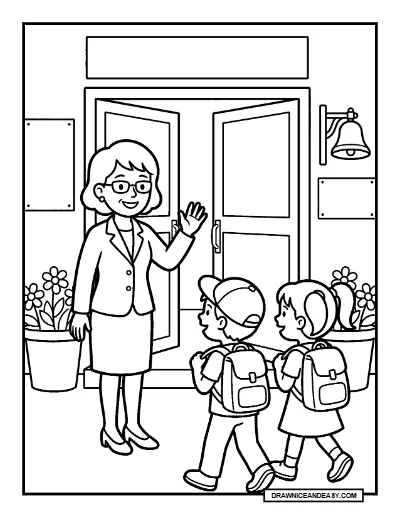
Friendly School Principal Greeting Students Coloring Page – Free PDF
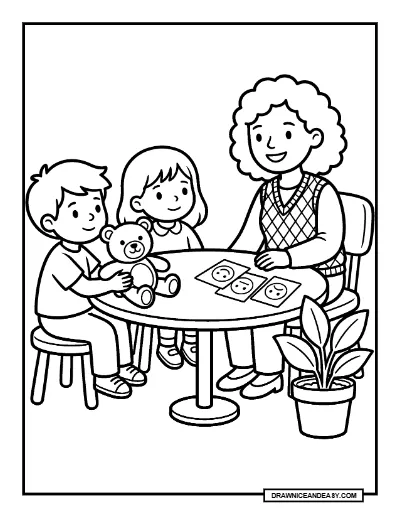
School Counselor Helping Students Community Helpers Coloring Page – Free PDF
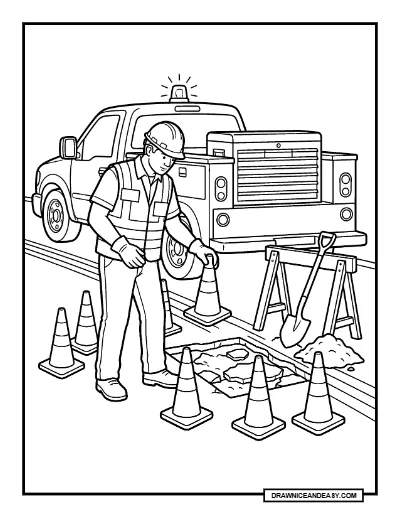
Road Worker Placing Safety Cones Community Helpers Coloring Page – Free PDF
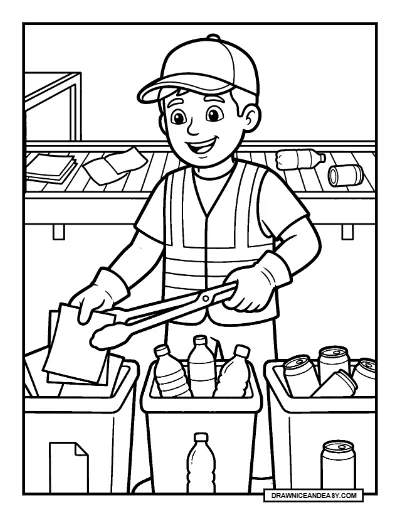
Recycling Worker Sorting Materials Community Helpers Coloring Page – Free PDF
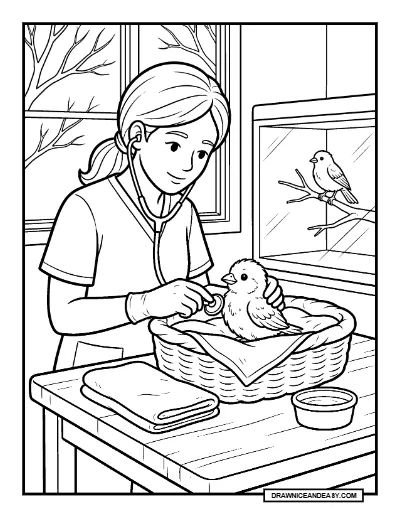
Wildlife Rehabilitator Caring for a Bird Coloring Page – Free PDF